Saturday, October 15, 2005

Buncheon station

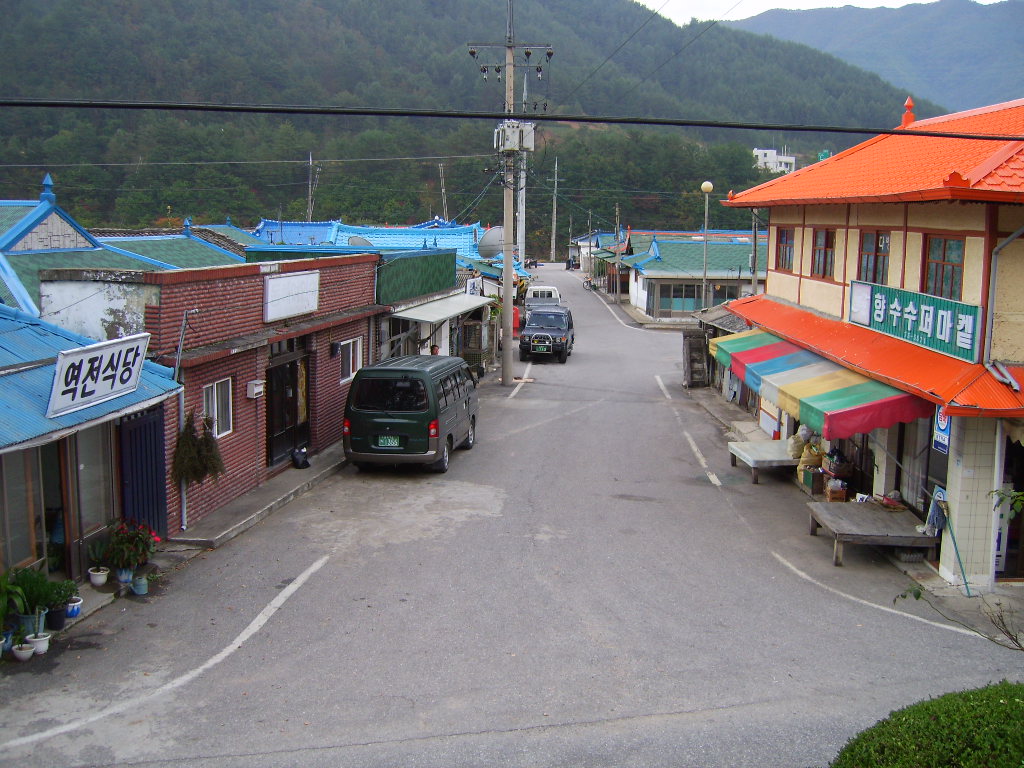
Buncheon 분천 on the bank of a beautiful stream is a very small village located to the northeast of Gyeongsan. It takes about 4 hours by train. The railway was primarily constructed to transport the natural resources like coal mined in the northern mountain areas. 
Korean cities have been slowly changing with the onset of economic growth, so it is getting harder to find any buildings older than 30 years in cities. But we can still feel and enjoy the past in remote village like Buncheon, whose station had been crowded with people, and small stores and restaurants on the main street in front of it had prospered when most of the people used public transportation. 

Many commuters got off the train in the morning here and transferred to buses for Uljin 울진, a major city on the eastern coast. But it is now an old tale because private cars have been popularized. Most stores were closed and villagers immigrated to cities. Only once a year, Buncheon is busy with people visiting here to spend their summer holidays. A nearby landscape streaming and valley has attracted tourists during the summer.

Sunday, October 09, 2005

Trisuli bazar & Nuwakot

Trisuli Bazar is situated northwest of Kathmandu, Nepal and it takes about four hours by bus. This small town is a central place in remote mountain villages and used to be one of the key posts in ancient trans-Himalayan trade. Trisuli Bazar is on the west bank of Trisuli river. According to the Hindu legend, Lord Shiva made this river by his trident which means Trisul in Nepali. The town name comes from the river "Trisuli." At this peaceful town, you can meet native villagers having sunburned faces. Small shops, cheap lodges, and simple restaurants are also lined along the main street. Some trekkers start their journey to Langtang, Ganesh Himal and Gorkha from here.
It would be a nice and pleasant trip in the foothills of the Himalayas if you trekked along the historic route from Trisuli Bazar to Gorka. Recently it can be dangerous to travel around this area because many Maoist insurgents are active in these areas. But they are usually generous to foreigners and have never attacked them until now.
A historic fortress town, Nuwakot is also situated close to Trisuli Bazar. King Nara Bhupal Shah of Gorkha to the west of Nuwakot captured Trisuli Bazar before his death in 1743, and his son Prithvi Narayan Shah(1769-1775 A.D.), the unifier of modern Nepal, succeeded his father to the throne of Gorkha and held Nuwakot one year later. It has a special importance in the history of Nepal as King Prithivi Narayan Shah planned to invade and conquer Kathmandu, and launched several campaigns to unify Nepal from here.

Nuwakot offers panoramic views of the mountains and the surrounding rural scenery is also beautiful. There are a number of artistic buildings on the hilltop which recall the traditional architecture of the Kathmandu Valley.

Saturday, October 01, 2005

southern Gyeongsan

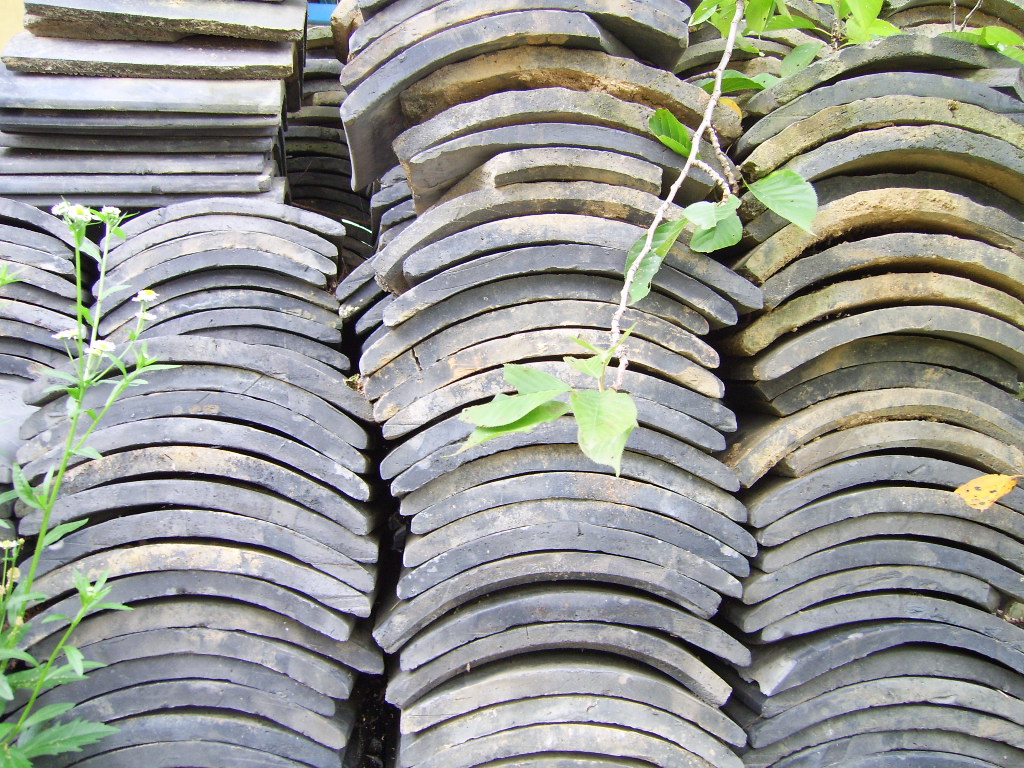
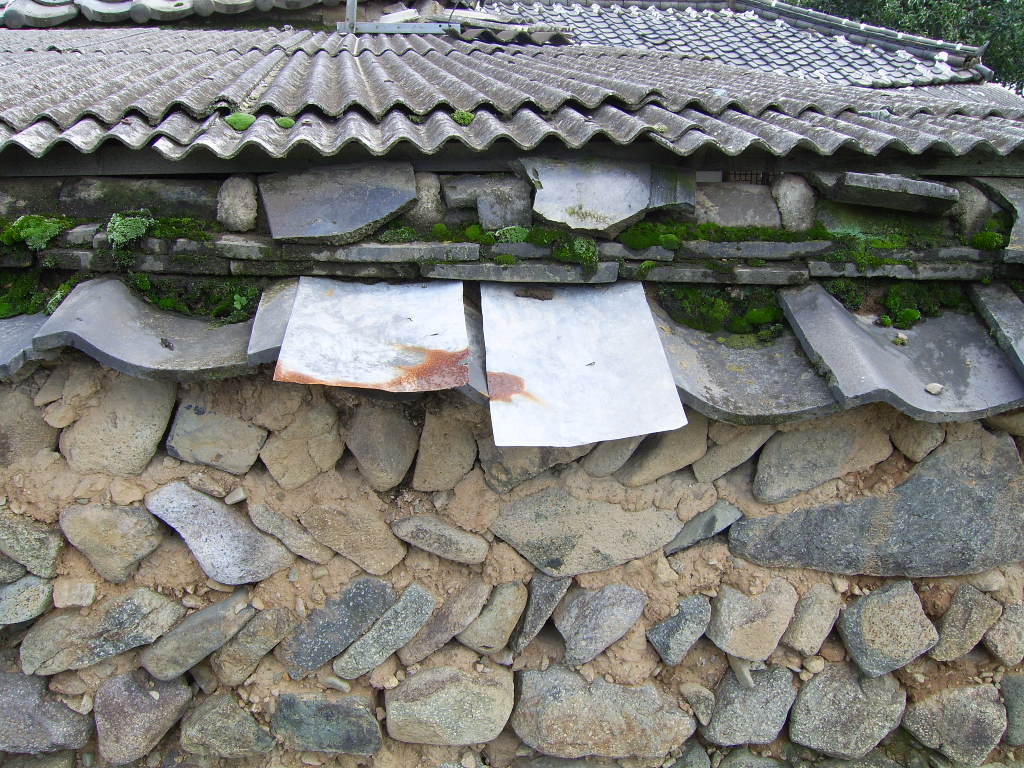
The bridge above shows a section the newly constructed expressway linking Daegu to Busan. The below one is the railway connecting Seoul to Busan. Also, the vineyard is seen in the field. The tiles stacked up are in a Buddhist temple, whose roof has been renovating.

Saturday, August 27, 2005

Thai Buddhist temple & palace

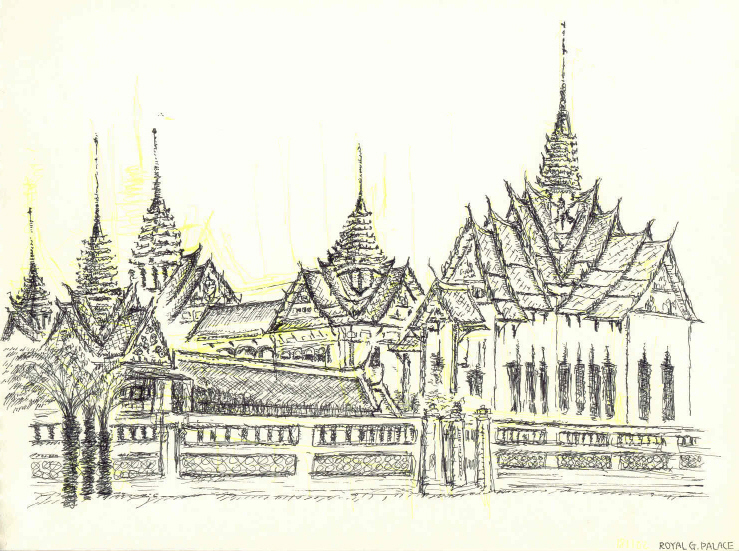
The land of smiles, Thailand, is a traditional Buddhist country, so it is easy to find and visit lots of temples everywhere in Bangkok, the capital of Thailand. I realized architecture style of Thai Buddhist temple is really different from that of Korea. Thai temples look so high and big, but simple, and are not much decorated and the outside is painted white. Sometimes colorful glass pieces are partly used to decorate the temples. Nice gardens are usually seen around the main buildings.

No direct flights from Korea to Nepal often made a tourist spend one or two weeks in Thailand, the land of smiles. Thai people have really the warm smiles, take things easy and are kind to strangers.

Khaosan in downtown Bangkok is a very famous area for travelers and backpackers from around the world. Tourists also enjoy the nearby Chao Phraya river flowing through the heart of Bangkok and it is a great pleasure to walk along the river. Grand Palace is close to Khaosan, which is one of the most famous attractions in all of Thailand. The picture above depicts one of the old buildings around Grand Place.

Wednesday, August 17, 2005

Buddhist temple

Jeogchun Sa 적천사, a Buddhist temple, located in the south of Gyeongsan 경산 was established in 664 AD and has been renovated several times. Many Buddhist monks had lived and meditated here under the great Seon masters since its foundation.
When Japanese invaded Joseon in 1664 and marched north, they burnt and destroyed this temple totally. Later this temple was rebuilt at the same site.
There are usually four statues of fierce looking guards at the gate of Korean Buddhist temple, which derive from Buddhist tradition. Buddhists believe that these mystic guards prevent devils from entering temples from four directions and protect Buddhists from devils. The picture above is about 400 year old statues at the gate of Jeogchun Sa.

You can see some small statues trampled under guards' feet. They are described as Japanese pirates. Japanese pirates had brutally plundered the towns along the southern coast of Korea for a long time, so they were regarded as another form of devils.

Wednesday, July 27, 2005

cobalt mine in Gyeongsan

At the early 20th century, Japanese were constructing railway past 경산 Gyeongsan. The railway connected 부산 Busan, the major port of southern Korea and 서울 Seoul. Then, the country name was 조선 Joseon, not Korea. Joseon was the traditional kingdom and hermit country. People cared nothing either for western capitalism or for industrialization.

One of Joseon's neighbors, Japan was totally different though. They accepted the western culture actively and began to industrialize earlier than the other countries in Asia. The political situation around Joseon didn't allow it to remain peacefully any longer. Britain, Japan, China, Russia, America, and France were engaged in the diplomatic and military struggle for hegemony in Joseon. Especially the three countries surrounding Joseon, Japan, China, and Russia were more active and aggressive. Out of all them, Japan didn't conceal the conspiracy to colonize Joseon. Finally, Japan opened two wars against China and Russia and defeated them.

In 1910, Japan annexed and colonized Joseon against the will of the Joseon people. Many Japanese crossed the sea. Some also arrived at Gyeongsan by train. Japanese completed the construction of railway 5 years earlier before colonization. Japanese in Gyeongsan built their own houses and cultivated land to grow various fruits. Besides, they found cobalt in the mountain near Gyeongsan. Cobalt is a very important material for ammunition industry, which is used for manufacturing rifles and canons. Japanese built a large-scale refinery facility at the nearby cobalt mine. The refined cobalt was transported to Gyeongsan station by cable and to Busan by train. The final destination was ammunition factories in Japan. The picture above is somewhere in the ruins of refinery facility.

After Japan was defeated in World War Two, Korea was liberated from Japan on August 15, 1945, and Japanese living in Gyeonsan left all their properties including their houses, orchards and cobalt mine, and returned to Japan. But the situation was not acceptable and incredible to many of them, so they thought they would come back their old homes in Korea as soon as possible but their dreams didn't come true.

Time has passed. Now the lingering traces of colonial age still remain and show us what the delusion of Japanese imperialism was like.

Sunday, July 24, 2005

rain gutter, peaches & lotus pond

Gutter made of zinc sheet is unusual, not traditional in Korea. It looks like that the owner of the house preferred them in this case, repairing gutter tiles.

Ripening peaches are seen in the orchards around Gyeongsan. Can you look for a red dragonfly in a lotus pond?

Tuesday, July 19, 2005

Pashupatinath & Vajrayogini

Pashupatinath Mandir is Nepal's oldest and holiest Hindu pilgrimage site and one of the most impressive places in Nepal. Bagmati river flows on the east of Kathmandu, which is one of the branches of Ganga or Ganges river. The river flows just in front of this site, the picture above.

Pashupatinath, dedicated to Lord of the animals(Lord Shiva), has Ghat used for ritual bathing and cremation. You can see cremation ceremony and corpses burning on the banks of the river. The ashes are cast into the river after the bodies are burned.

Sanku which was once an important trading post between Lhasa and Kathmandu is a very old and romantic Newar village and lies 23 km east of Kathmandu, Nepal. Vajrayogini Mandir dedicated to the tantric goddess Vajrayogini is nearby located in the north of the village. This Hindu temple was built in 1665 and is surrounded by the other small temple, old trees, and statues and so on.

Sunday, July 17, 2005

summer scenery

Rainy Mountains & Ripening Grapes
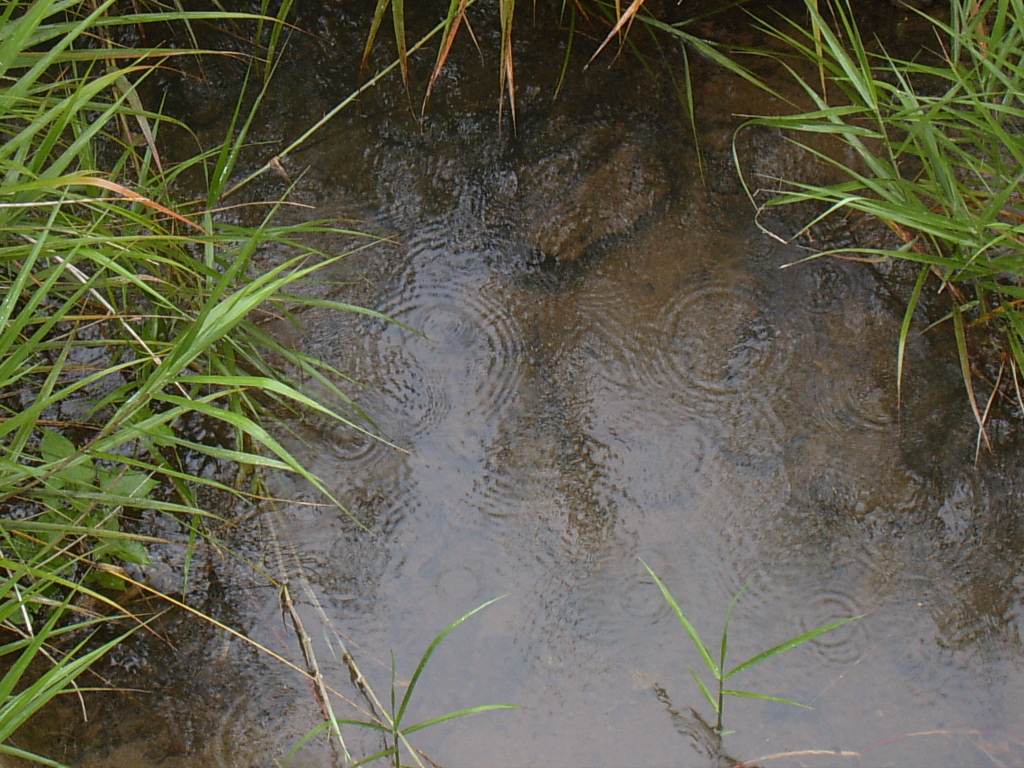
Ladybug & Raindrops

Saturday, June 25, 2005

The Korean War(June 25, 1950~ July 27,1953)

The Korean War broke out on June 25, 1950, when North Korean troops crossed the 38th parallel, the dividing line between the two Koreas, invading the South. The United Nations forces from 16 countries, including the United States, Britain, Turkey, and Australia, supported the South against the communist North backed by China.

The photos show refugees moving to the south in the east of South Korea(July 28, 1950) and a war orphan crying on the street(Aug. 8, 1950).(Image files from National Archives and Records Administration, US)

Thursday, June 23, 2005

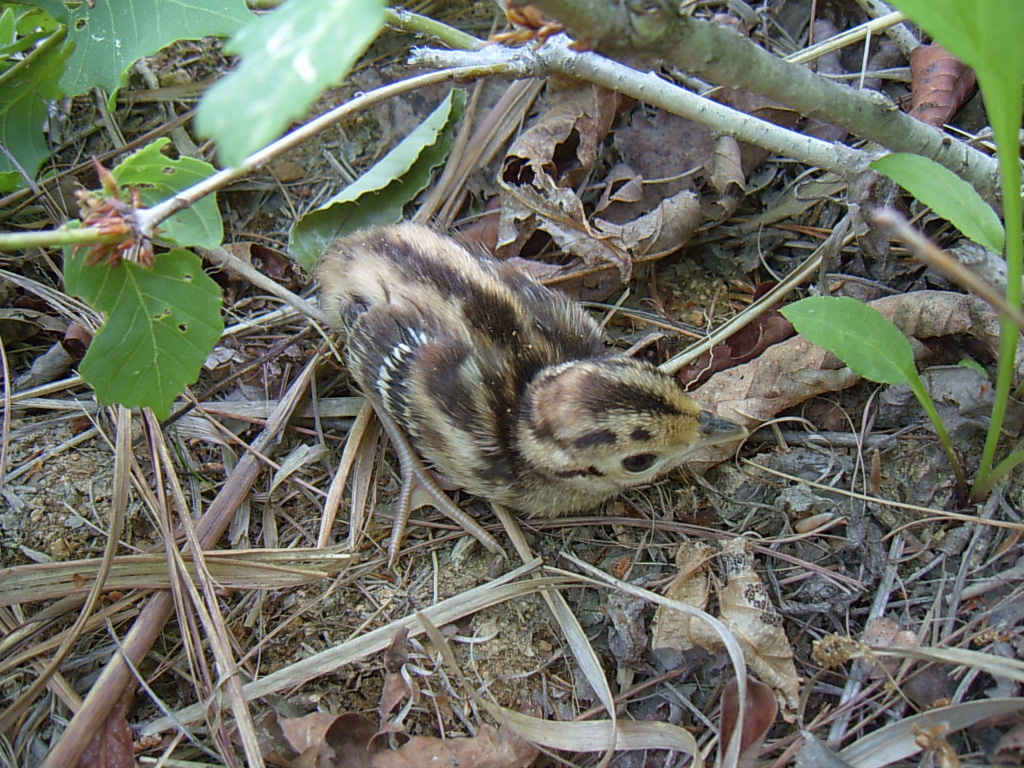
baby pheasant below June sky

Baby pheasants that I had met on the mountain were so fast that I could not take a picture of them. But one baby gave me a chance before running away.

Wednesday, June 08, 2005

magpie house

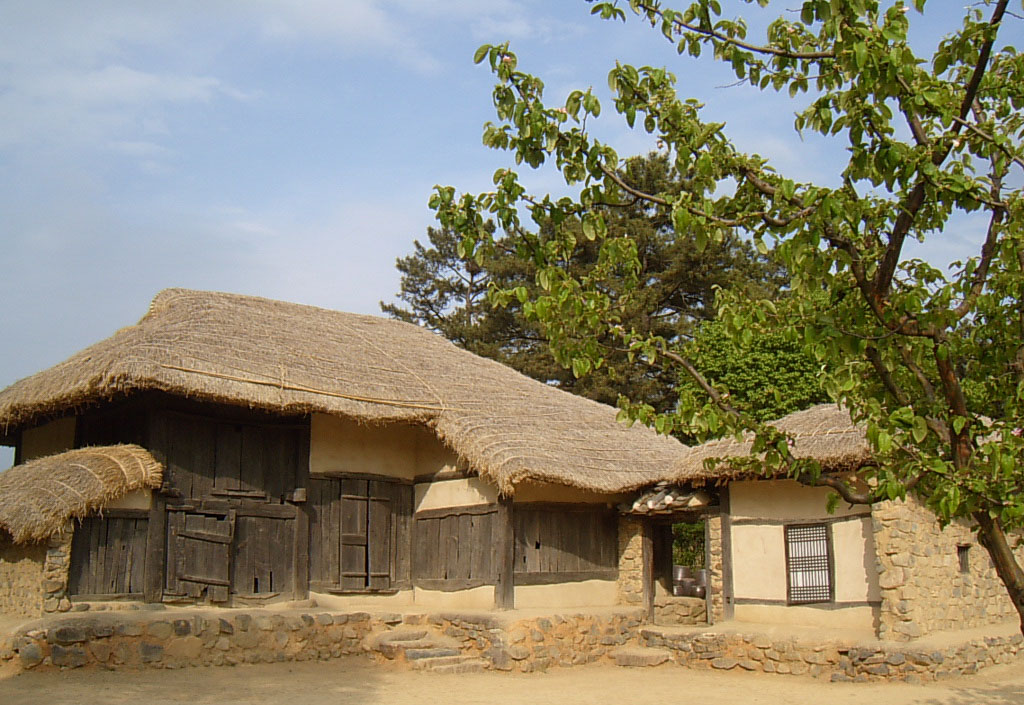
This old and characteristic house had been built and used by Koreans living in the cold areas. The roof is made of rice straws, and rooms for people and cowhouse are together inside the walls. The owner wanted to protect his family and livestock from the sharp coldness of winter. A big door to cowhouse is seen on the left.

There are two holes in the middle of the roof, which were designed for good ventilation. People call this magpie house because the holes just look like magpie's nests.

Saturday, May 28, 2005

small sketches

Various living things are found in nature. It seems like that they have their own language and world. Sometimes some of them look as busy as human beings. It is surprised to see them work very hard without any stress and rest.
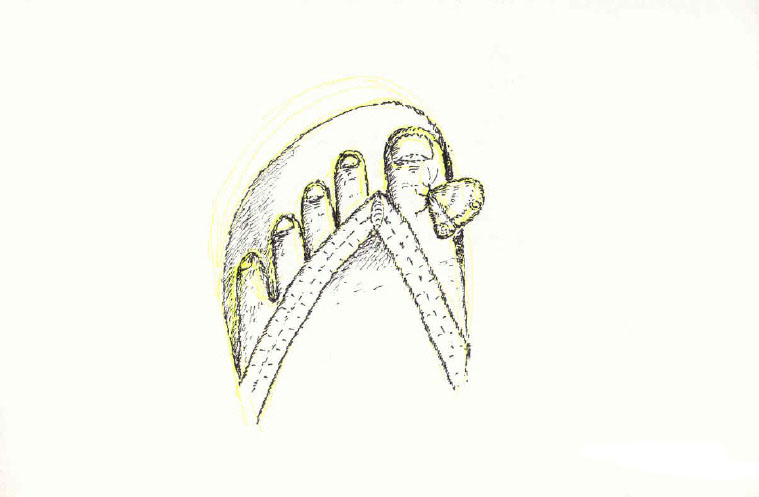
This sandal made in Thailand is very light, comfortable and cheap. I often take a walk wearing this one. One sunny day, a butterfly sat on my big toe while I was sitting in the woods, and it was sketched briefly.
Road, stream and cherry trees are sketched, and stepping stones across the stream are also seen.
Birds & Ladybug-beetle
Chao Phraya River in Bangkok
Stuff on the desk
Mountain and tree in spring 2004. Time flies so fast.
Nandi & Linga

Monday, May 23, 2005

trail & cat

went hiking in the nearby mountains yesterday and found a cat in the peach orchard. It sat on a branch comfortably, staring at me.

Saturday, May 21, 2005

old building in Tansen bazar

Tansen is one of the most impressive towns of Nepal, which, still untouched by many tourists, is located on a large plateau at an elevation of 1,350m (4,430 ft). This bazar in the middle of town was set up by Newari merchants from the Kathmandu to take advantage of the trade route between India and Tibet.

Narrow stone-paved streets are lined with old brick buildings and filled with simple village life. Tansen is a great place for walking, too. Maps and a brochure guide for walking tours of the town are available at the tourism office.

The picture above is one of old brick buildings along the bazar streets. A Nepali restaurant was across from it and I sketched this from there. From the very left, shoe shop(closed), grocery store, stationery store, and electric appliance shop.

Regular buses leave for Tansen from Kathmandu (8-10 hours). Tansen lies 40 km north of Butwal. Lumbini, the sacred birthplace of Buddha, lies 40 km southwest of Butwal. Belahiya( referred to as Sonauli in India side), the most popular border village crossing between Nepal and India is very close to Lumbini.

Wednesday, May 18, 2005

mountain road & railway station

There were lots of unpaved roads in the past. But it is getting difficult to find them. The picture above shows a forest road near Gyeongsan. Only a very few people are usually seen on it. I just sometimes meet a group of mountain bikers while walking along this road. This dusty unpaved one always reminds me of the past time that will never return. Such is life?

It has been raining in front of Daegu railway station. People wait for buses at the bus stop in the early evening.

Friday, May 06, 2005

spring in Gyeongju

Gyeongju 경주 lies about 70 km east of Gyeongsan. It was the capital of the Silla Kingdom for 992 years(B.C 57 - A.D 935). Gyeongju Historic Areas contain a variety of outstanding examples of Korean Buddhist art, in the form of sculptures, reliefs, pagodas, and the remains of temples and palaces, so it is often called an open-air museum.

In the middle of Gyeongju, just outside the downtown area, is Banwolseong(반월성, half moon palace) site, upon a crescent shaped hill; it is one of Silla's palace ruins. To the south Namcheon(남천, the south stream) forms a natural defense.
The tombs near the center of Gyeongju, about 70 km east of Gyeongsan were constructed during the early stages of Silla dynasty and have yielded many treasures, including a gold crown.
Gate of traditional Korean house. People walk along the same path.
Down from Banwolseong in Gyeongju, Cheomseongdae Observatory built in the middle of the 7th century is located. The observatory consists of 362 granite stones. A rapeseed field between Banwolseong and Cheomseongdae.